

“Plastics,” the one-word career advice offered in the 1967 movie The Graduate marked their emerging worldwide impact. The light weight, durability, and low cost of synthetic plastics have made possible seemingly unlimited applications and products. As a result, they are now ubiquitous. Unfortunately, so are microplastic particles. They form over time by the release and breakdown of plastics from such common products as paints, tires, synthetic textiles, and food and beverage packaging. These tiny particles, smaller than 5 mm, are in the air we breathe, the food we eat, and the water we drink. (A quart of water in a plastic bottle contains some 240,000 plastic particles.) They have spread globally from mountain peaks to ocean trenches, creating what have been termed a silent public health crisis and an environmental scourge.
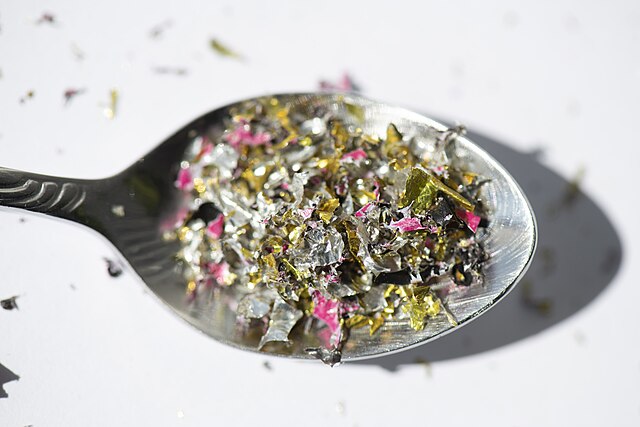
Human health effects of microplastics and nanoplastics (one thousand times smaller) continue to be uncovered. Found throughout the body, they appear to incite an inflammatory response by the immune system in multiple organs. Their presence in arteries has been linked to increased risk of cardiovascular disease. Nanoplastics have been shown to cross the blood-brain barrier; significantly more were discovered in human brains from people with dementia upon autopsy. The presence of microplastics in reproductive organs, the placenta, and breast milk may affect the most vulnerable stages of human development. These and other recent findings do not establish causality, but they certainly raise concerns.
The various types of synthetic plastics are polymers, long molecular chains made by connecting at least 1,000 repeating monomer units, mainly hydrocarbon-based. Common examples include polyethylene (water bottles, plastic film) and polypropylene (straws, packaging). Because their hydrocarbon building blocks are primarily derived from fossil fuels, plastics contribute to global greenhouse gas emissions. To create desired properties, plastics also include many additives, typically not identified, selected from thousands of other compounds. Some may be carcinogenic, trigger inflammation, or disrupt hormones.
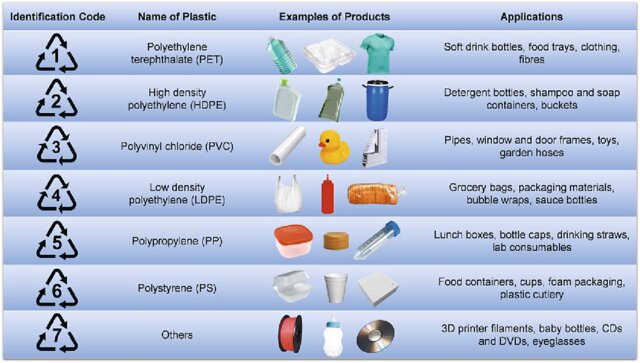
About 800 billion pounds of plastic waste are generated per year worldwide. The U.S. consumes more plastic and generates more waste than any other nation, some 270 pounds of plastic waste per person annually. About one-third of all plastic is used for packaging, nearly all for single use, such as grocery bags, food packaging, containers, straws, cups, and utensils. Although we may not consider apparel “plastic,” more than half of textiles gets made from synthetic polyester fiber. Despite all that we hear, less than 10% of all plastic actually gets recycled, due to technical and financial barriers. Some gets incinerated, and most goes into landfill sites here or shipped long distances to less developed countries.
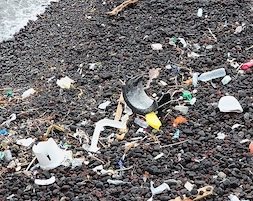
More than a million tons of plastic debris ends up in ocean-bound sewer drains, creeks and rivers in the U.S. each year. The largest source of plastic debris recovered from the oceans is single-use plastic bottles, along with packaging from food and tobacco products. Plastic pollution of the oceans poses a danger to marine life, killing fish and sea mammals, along with creating additional routes for human microplastic consumption.
(Marek Slusarczyk)
So What Can We Do?
Because of their utility and ubiquity, plastics cannot readily be replaced. However, actions can be taken to start reducing the negative impacts. From a systems perspective, an ultimate goal is to create a sustainable “circular” economy that essentially eliminates waste, which no longer would need to go into a landfill or be incinerated. Such a comprehensive long-term solution would require changes at all stages of the plastics lifecycle: design and manufacture of plastics, consumption, collection, and processing, along with participation of industry, governments, and nonprofits.
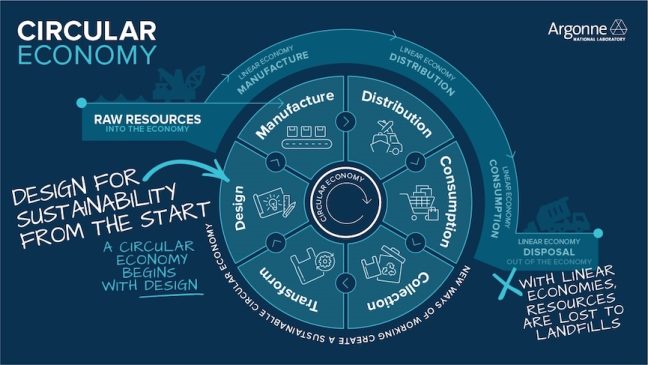
Possible steps towards reaching this overarching goal might include:
- Redesign materials, products, and processes to facilitate biodegradability and recycling.
- Improve plastic waste management, from collection and treatment through transportation and disposal.
- Develop reuse, resale, and refill systems to reduce the need for single-use plastics.
Multiple efforts are currently underway. Chemists are working on “molecular” recycling, such as converting mixed plastic waste back to hydrocarbon building blocks that can be reused in new products. Another R&D strategy being explored is the digestion of plastics using specialized microbes and enzymes. Legislation is being pursued to require Extended Producer Responsibility (EPR) to provide funding for end-of-life management of packaging products through collection, processing, and recycling of the resulting waste. Many states are phasing out or have banned styrofoam food containers. Plastic microbeads have been banned from cosmetics and personal care products in the U.S. and Europe. At the international level, a United Nations Global Plastics Treaty has been drafted and discussed by delegates from 175 nations, but a legally-binding agreement has yet to be reached.
How Can Museums Help?
Museums of all kinds can play educational roles through exhibitions and programs designed to increase public awareness and understanding of microplastics, along with possible actions to take. (See list of exhibitions below.) The most ambitious to date, The Blue Paradox, is a 25,000 sq ft exhibition presented by SC Johnson in partnership with Conservation International at the Griffin Museum of Science and Industry in Chicago. It includes a calculator that helps visitors identify their plastic “footprint” and steps they can take to reduce it.

Here are actions individuals might take; more examples can be found here.
- Drink water from a refillable (stainless steel) bottle.
- Shop with a reusable natural fabric bag.
- Store and heat food in glass or ceramic containers.
- Buy clothing made from biodegradable natural fibers.
- Refuse plastic straws and utensils.
By partnering with other organizations, museums can support larger-scale programs in their communities, along with public policy efforts at the state and national level. In addition, museums can lead by example, adopting sustainable practices in exhibit design and phasing out single-use plastics in their own food service and retail operations. By sharing the progress they are making, museums can inform their audiences as well as build good will.
We shouldn’t be surprised to discover that plastics have a downside. As noted discussing CRISPR, adoption of new technologies brings unanticipated and often negative consequences. The challenge we now face is how to most effectively address the biological and environmental impacts, which will only grow as worldwide production of plastics is projected to triple by 2060.
Related Exhibitions
The Blue Paradox Griffin Museum of Science and Industry, SC Johnson
Plastic: Remaking Our World V&A Dundee, Vitra Design Museum, maat
The Solway Hoard Exhibition Museums of the FutureNow
Nobody Trashes Tennessee Tennessee Aquarium
The Plastic Bag Store MASS MoCA
Everlasting Plastics Carnegie Museum of Art
Plastic Entanglements Palmer Museum of Art, Penn State University
Microplastics: Here, There, and Everywhere Univ. of Michigan, Dossin Great Lakes Museum
Archeoplastica Museum of Vintage Waste (virtual) [in Italian]
Related Article
Ucko, D. A. (1983). “Technology: Chance or choice?”- A museum exhibit on the impact of technology. Science, Technology, and Human Values, 8(3), 47-50. doi: 10.1177%2F016224398300800308
Resources
Planet or Plastic? National Geographic
Plastic Pollution Natural History Museum, London
The Solway Hoard: References & Resources Museums of the FutureNow
Turning Off the Tap United Nations Environment Programme
Platform for Accelerating the Circular Economy (PACE)